
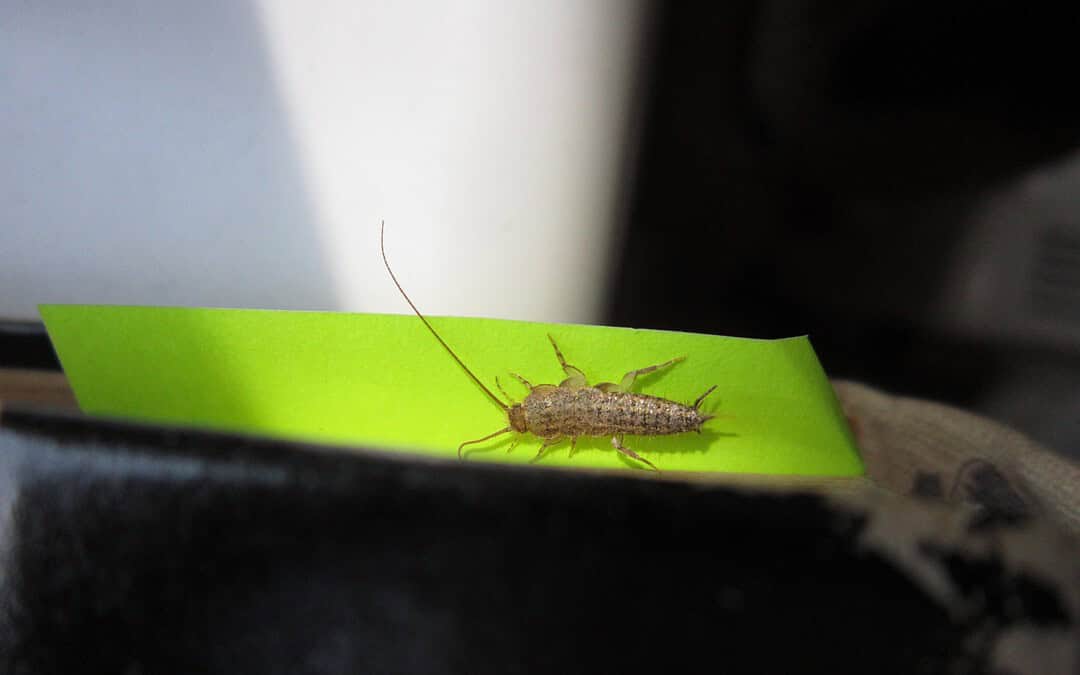
Open a box of old papers or books that have been sitting in the garage since the move, and there it is — some whitish-grey, wriggling, creepy bug, gone before you can react. Then you notice the book covers: surface grazing, ragged page edges, little yellowish stains. Silverfish have been quietly making a meal of your papers.
What Are Silverfish?
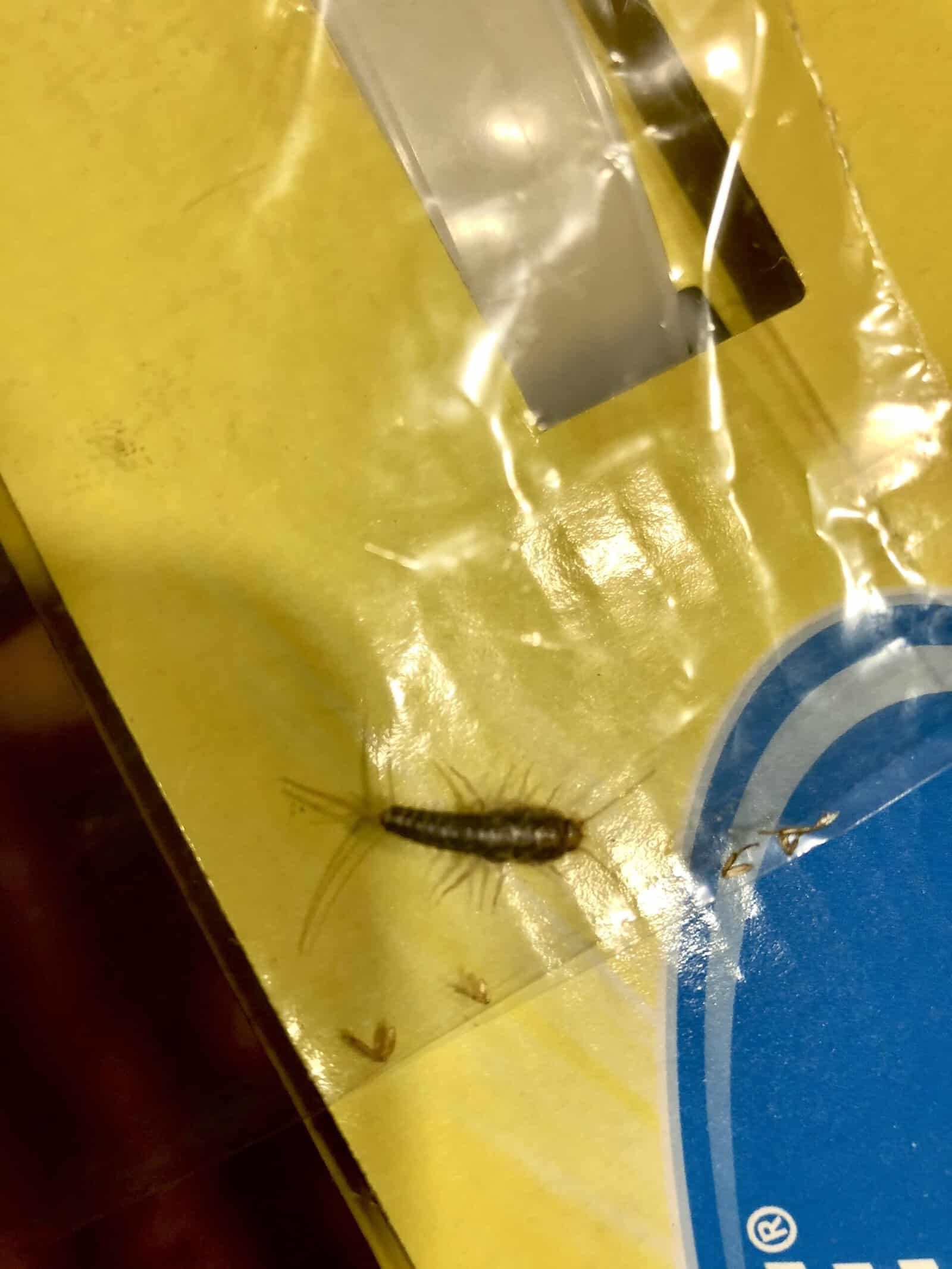
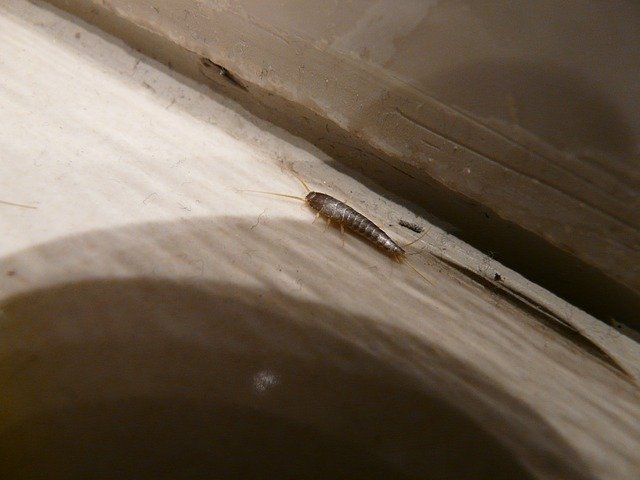
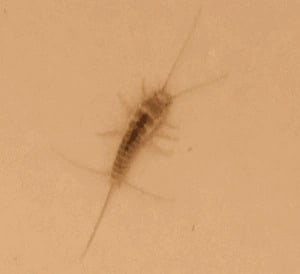
Silverfish (Lepisma saccharinum) are wingless, oval-shaped insects covered in silvery scales, with three long tails that move with a distinctive fish-like wiggle. They’re among the most ancient insects on Earth — they were eating starch hundreds of millions of years before there were books to bind with it. In Florida homes you may also meet their bigger cousin, the long-tailed or “gray” silverfish (Ctenolepisma longicaudatum), which tolerates drier rooms and is typically the one we find most often in Port St. Lucie closets and attics.
Their diet is starch and protein: book bindings and the glue in them, paper, photographs, wallpaper paste, cardboard, linens, and the occasional wool or rayon fabric. They won’t bite you, don’t spread disease, and won’t damage the structure. What they damage is exactly the stuff you can’t replace — photos, documents, first editions, your kid’s artwork in the garage.
Why Port St. Lucie Is a Silverfish Haven
The same reason all the other bugs love it here too — humidity. Silverfish need it, and our humid subtropical climate across Port St. Lucie and Palm City provides it nearly year-round. Garages, attics, storage sheds, and anywhere else without climate control are almost certain to harbor silverfish. Even bathrooms can offer safe haven because of the elevated humidity there. Two local patterns worth knowing:
Any cardboard or paper materials stored in areas that aren’t climate controlled are likely to end up with silverfish in them eventually. We recommend keeping important personal documents in a closet inside the home, rather than in an attic. Attics are fine for things like Christmas ornaments and Halloween decorations, but birth certificates, photo albums, and high school diplomas should be kept inside, in the A/C.
Seasonal residents give silverfish their best opportunity: a house closed up for the summer with the A/C set high runs humid and undisturbed for months. More than once we’ve had snowbird clients return in November to find the closet shelf paper grazed and a photo box damaged. If that’s your situation, keep reading.
Free Prevention That Actually Works
Getting rid of silverfish is one of those problems where homeowner habits do a lot of the heavy lifting:
Reduce the humidity. Ensure the A/C runs consistently, even when you’re away. Humidity control matters more than temperature, so the A/C doesn’t need to be turned down particularly low — it just shouldn’t be so high that it goes long stretches without running. We usually recommend 78°F; at that setting the A/C should still click on overnight. Consider a dehumidifier in the garage, and make sure bathroom ventilation fans work properly — the master bathroom is often located far from the A/C intake, and a couple of hot showers every evening create perfect conditions for silverfish.
Get the important stuff out of cardboard. Photos, documents, and books you care about can be stored in inexpensive sealed plastic bins. Cardboard is both food and shelter for silverfish.
Starve them. Vacuum closet floors and shelves occasionally, don’t stockpile paper bags, and consider storing linens in sealed plastic bins when you’re out of town for the summer.
Monitor cheaply. A few sticky traps (very cheap from Amazon or a hardware store) in the spare-bedroom closets and behind the toilets in the bathrooms will tell you honestly whether you have a population or just found a stray.
When It’s Worth Calling in a Professional Exterminator
If you’re regularly seeing them or catching them in traps, the population is well established in your home, and humidity control alone is unlikely to bring things back under control. At that point, it’s usually time to bring in professional pest control.
Professional silverfish pest control targets the cracks, voids, and attic edges where they harbor, and we pair it with the humidity advice above — because treatment without moisture control is a subscription you don’t need. Eco-friendly options are available, as always; silverfish jobs are often in the closets where your family’s clothes hang, and we treat them accordingly. If the problem is beyond DIY, a professional silverfish exterminator in Port St. Lucie or Palm City can knock down the active population and help you keep the humidity in check so it doesn’t return.
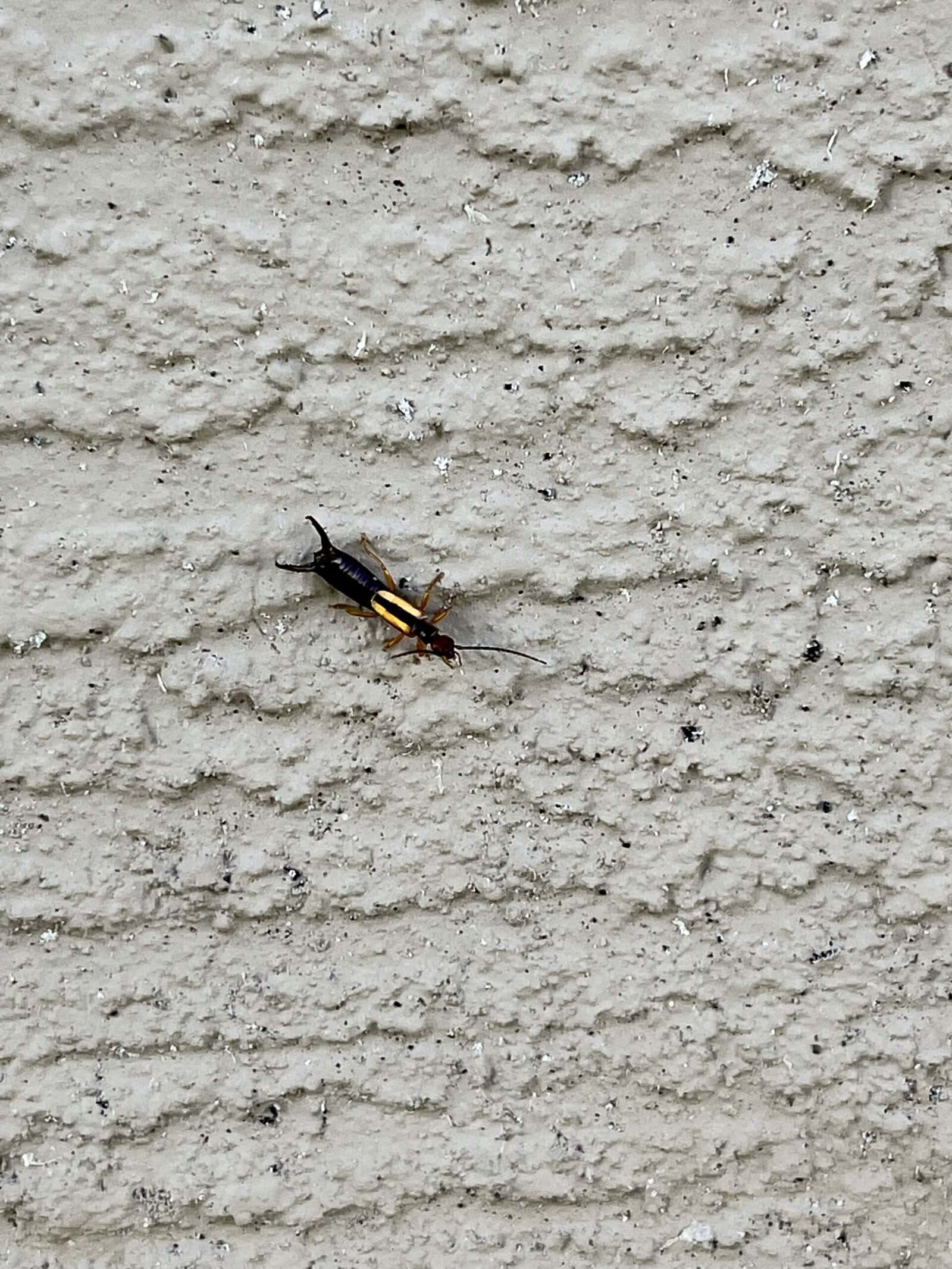
Not sure if what you saw was a silverfish or an earwig? (Common mix-up — earwigs have pincers, silverfish have tails.) Text our Tradition office a photo and we’ll identify it free, no pitch attached.
— Shane Green
Green Pest Services
11958 SW Tom Mackie Blvd, Unit 104, Port St. Lucie, FL 34987
1111 SW Martin Downs Blvd, Palm City, FL 34990
Recent Comments